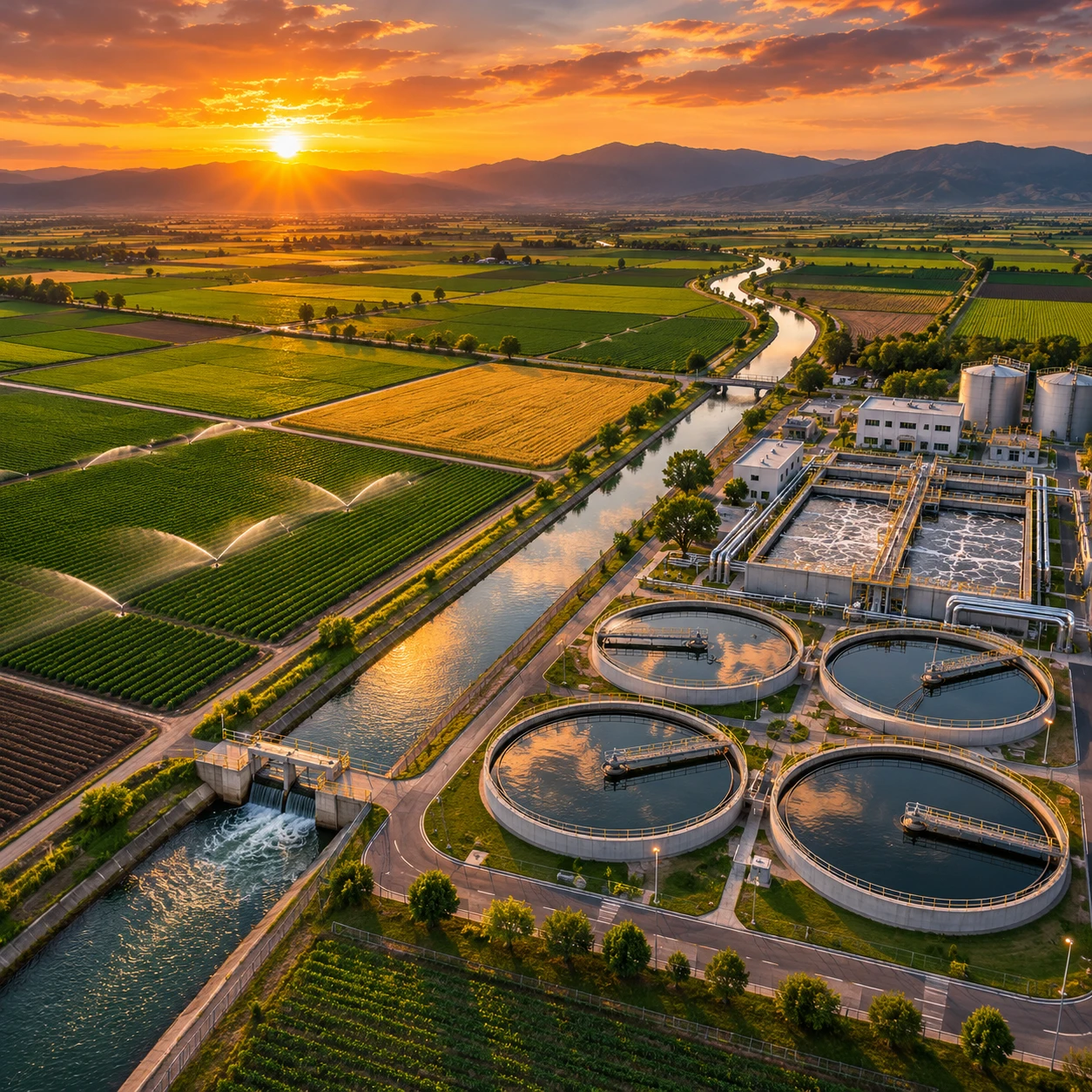
The Film’s Themes: 5K Aerial Photography, Water, and Where to Watch
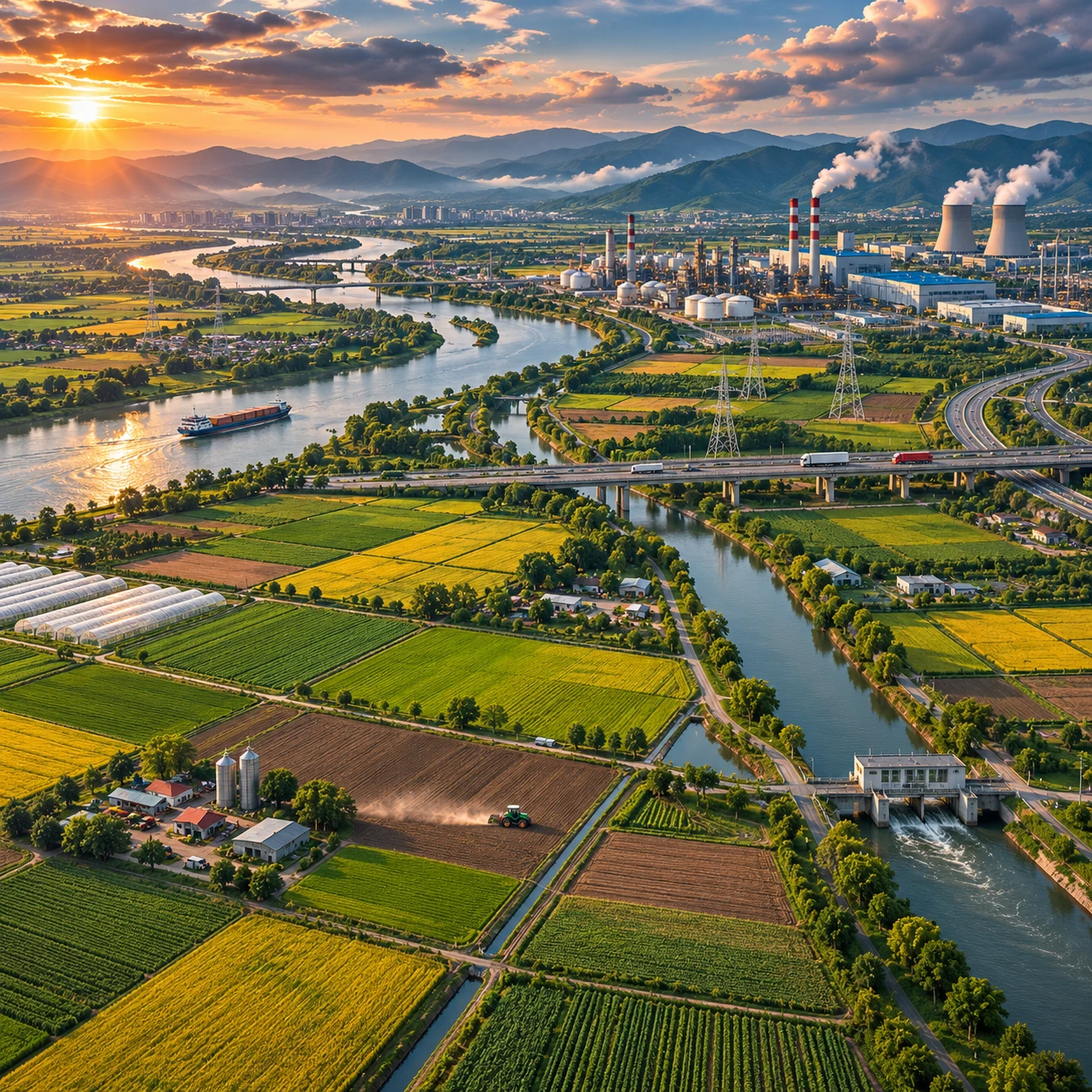
The film’s themes come into focus through its view of water and the landscapes people have shaped around it. Aerial photography offers a way to see connections among waterways, farmland, and industrial infrastructure, while inviting viewers to look closely rather than assume a single explanation.
Because no title, release date, or distribution region is specified here, details such as plot, production history, and current streaming services cannot be confirmed. The guide below focuses on the visual and subject themes identified for the film, and explains how to verify where it is available.
What the Film Is About
The film explores how water connects landscapes with human activity, including industry and agriculture. Its central ideas are expressed through places and patterns the camera observes, rather than through claims about a particular event or environmental outcome.
Water can appear as a natural feature, such as a river or reservoir, and as a resource directed through channels, pipes, pumps, or other infrastructure. These roles often meet in the same landscape. A waterway may shape nearby land use, while built systems move water to farms or industrial sites. The film’s subject therefore links water resources with the ways people organize land and production.
That connection is a useful starting point for viewing. Notice when the camera presents water beside fields, roads, buildings, or processing facilities. The images can show proximity and visible infrastructure; they do not, on their own, establish how much water a site uses, where it came from, or what its wider effects are. Keeping observation separate from interpretation makes the film’s themes richer, not less meaningful.
How 5K Aerial Photography Shapes the Story
5K aerial photography gives viewers a detailed, elevated view of landscapes and infrastructure. From above, patterns that are hard to grasp at ground level—field boundaries, channels, roads, and the arrangement of industrial sites—can become visible in a single composition.
Resolution is only part of the effect. Height and camera movement change how viewers read a place: a canal may look like one element in a larger network, while a patchwork of fields can reveal how land has been divided or managed. A slow aerial pass can connect separate features without explaining their history. That visual connection encourages questions about how water moves through a landscape.
High-resolution images can also create a sense of certainty that the footage cannot fully support. A clear view shows shape and location, but usually cannot tell you the purpose of every structure, the direction of water flow, or how a system operates beneath the surface. Treat the aerial image as a visual record of visible relationships, not as a substitute for maps, reporting, or technical data.
When watching, track one feature across a sequence. Follow a waterway toward fields or buildings, then compare its scale and position with roads and land boundaries. This simple approach makes the cinematography part of the film’s argument: the camera helps viewers see relationships while leaving room to ask what those relationships mean.
Water in Industry and Agriculture
The film’s focus on water in industry and agriculture invites viewers to consider how different activities depend on water and the infrastructure that supplies or manages it. The images can show visible features, but the film should not be treated as proof of specific consumption levels or environmental impacts unless it provides supporting evidence.
In agriculture, water may be stored, diverted, or delivered to crops through irrigation systems. From the air, viewers may spot fields with different shapes, canals, reservoirs, or equipment. Those visual clues can prompt questions about how water reaches a field and how farming practices respond to local conditions. They cannot reliably identify crop needs or irrigation efficiency by themselves.
Industrial settings also use water in varied ways, depending on the facility and process. Aerial footage may reveal buildings, storage areas, pipes, or nearby waterways, but appearance alone does not show a facility’s water intake, treatment, reuse, or discharge. Those details require context from reliable sources, such as facility disclosures or government records.
The strongest way to read these scenes is to separate three things: what is plainly visible, what the film suggests, and what would need outside evidence. For example, a channel beside farmland is an observable relationship; that it supplies a particular crop is an inference unless the film establishes it. This distinction lets the film raise meaningful questions without turning an image into an unsupported claim.
What to Notice in the Film’s Landscapes
To read the film’s landscapes, look for how waterways, fields, infrastructure, and industrial sites relate in space. Repeated patterns and transitions between locations can help viewers understand the film’s visual focus.
Try this four-part viewing framework, called Trace, Compare, Connect, Question:
- Trace a river, canal, reservoir, or other visible water feature through a shot or sequence.
- Compare its scale and placement with fields, roads, settlements, and industrial buildings.
- Connect repeated features across shots, such as channels that appear alongside multiple fields.
- Question what the images leave unknown: ownership, direction of flow, water quality, or actual use.
This approach keeps attention on the film’s visual evidence while making space for interpretation. A grid of fields may suggest organized land use; a line of infrastructure may suggest movement or access. But a single aerial view rarely explains who designed a system, how it is managed, or what consequences it has.
Where to Stream the Film
Streaming availability depends on the film’s exact title, licensing deals, and your country. Since no title or region is provided, no specific platform can be confirmed; check current listings before subscribing or renting.
Start with the film’s official website or verified distributor and filmmaker pages, if available. Then search a reputable streaming availability guide using the exact title and, where relevant, the release year. Results can differ by country, and a listing may refer to a rental or purchase rather than a subscription service.
Before paying, confirm three details: the film’s exact title, whether the listing is for streaming, rental, or purchase, and whether it is available in your region. Catalogs change as licensing agreements expire or move between services. A result in a search engine may also be outdated, so check the platform’s own page at the time you plan to watch.
What to Read Next
After watching, explore reliable material on water management, irrigation, industrial water use, land use, and aerial filmmaking. These topics add context to the film’s images without assuming that the footage answers every question.
For a broad introduction, look for government or university resources on watersheds, water allocation, and agricultural irrigation. The U.S. Geological Survey explains water resources and the movement of water through natural systems; its material can help distinguish a visible waterway from the wider watershed it belongs to. For agriculture, seek guidance that describes irrigation methods and local water conditions rather than assuming one practice applies everywhere.
To extend the industrial angle, read public information on water withdrawals, treatment, reuse, and discharge. National or regional environmental agencies may publish facility records, permits, or water-quality data. These sources can help answer questions raised by a scene, though records vary by jurisdiction and may require careful interpretation.
Finally, explore writing on aerial cinematography and landscape photography. Useful topics include scale, camera movement, composition, and the limits of interpreting a place from above. Pairing visual analysis with dependable water and land-use information offers a grounded next step: first notice what the film shows, then investigate what the image cannot establish.